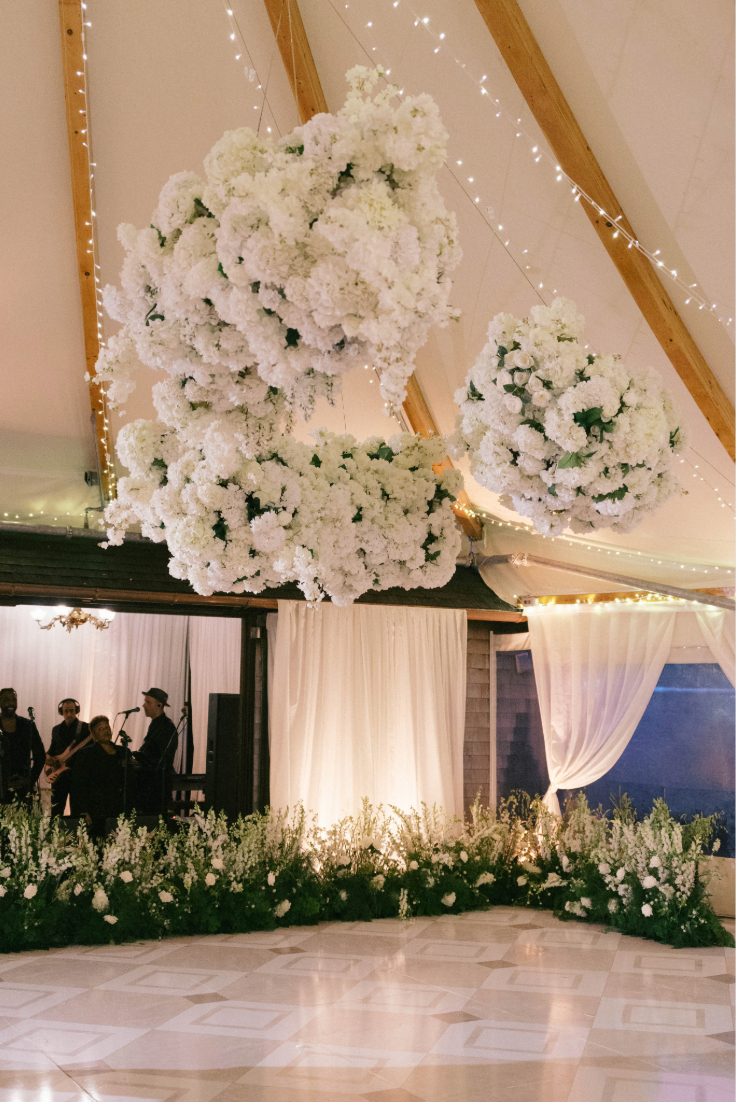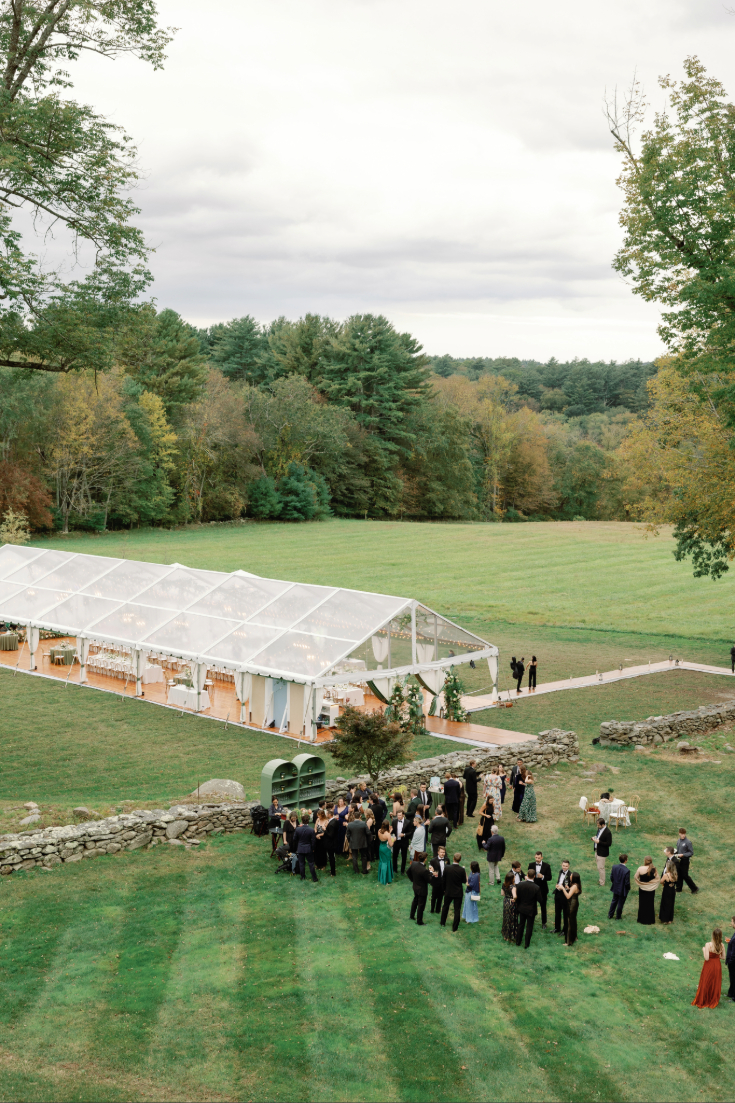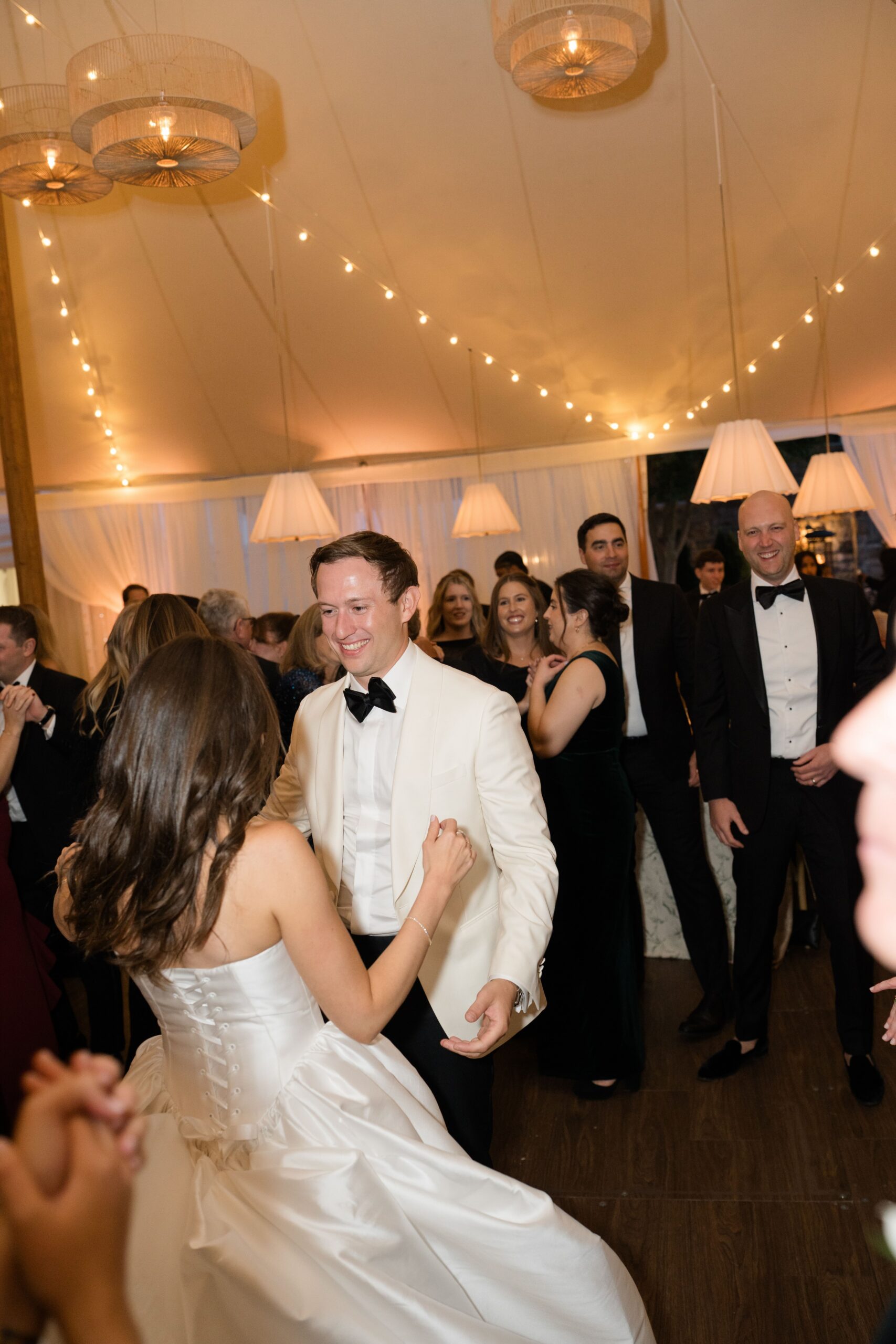
If you’ve spent any time on our site, you already know the phrase we use to describe what we do: guest-experience-driven. It’s not just a nice line for the homepage. It’s genuinely the filter every single decision runs through when we’re planning your wedding – bigger than the florals, bigger than the tent style, bigger than the color palette.
Here’s the thing nobody tells you when you start planning a wedding: you will remember your day in flashes and feelings. Your guests will remember it in experience. They’ll remember whether they felt welcomed the second they arrived, whether they knew where to go and what was happening next, whether the night had a rhythm to it or just… happened at them. That’s the difference between a beautiful wedding and a beautiful wedding people talk about for years. So let’s get into how we actually build that.
It Starts Before They Even Park the Car
Guest experience doesn’t begin at the ceremony. It begins the moment someone turns down the driveway. Is there clear signage? Someone directing parking so nobody’s wandering a private estate in heels wondering if they’re lost? A welcome moment – a sign, a drink, a friendly face – that tells guests “you’re exactly where you’re supposed to be, relax”?
These feel like small details. They’re not. The first five minutes of arrival set the emotional tone for the entire day, and we treat it with exactly that level of importance.
Transitions Are Where Weddings Live or Die
Most of the “dead air” at weddings – the moments where energy drops, guests get restless, or people start checking their phones – happens during transitions. Ceremony to cocktail hour. Cocktail hour to reception. Dinner to dancing. If those moments aren’t designed on purpose, they happen to your guests instead of for them.
This is a huge piece of what a planner is actually doing behind the scenes: building a timeline where every transition has a purpose, a pace, and something for guests to engage with, so the energy of the day never has a chance to stall out.
Know Your Crowd, Then Design for Them
A guest experience that would delight one crowd could fall completely flat for another. Do you have a lot of out-of-town guests who’d love a welcome bag with local recommendations? A big extended family who’ll want clear, easy-to-follow cues since not everyone is glued to a wedding website? A group of friends who are there to dance until 1 am and would riot if last call came too early?
We ask about this early and often, because “elevated” doesn’t mean the same thing for every couple’s guest list. It means designing toward what your people will actually love.
The Details Guests Feel Without Naming
Some of the most important guest-experience decisions are ones your guests will never consciously clock – they’ll just feel that something was right. Things like:
- Enough seating in cocktail hour that no one’s standing the entire time balancing a plate and a drink
- A bar that moves quickly, so no one’s waiting fifteen minutes deep into golden hour
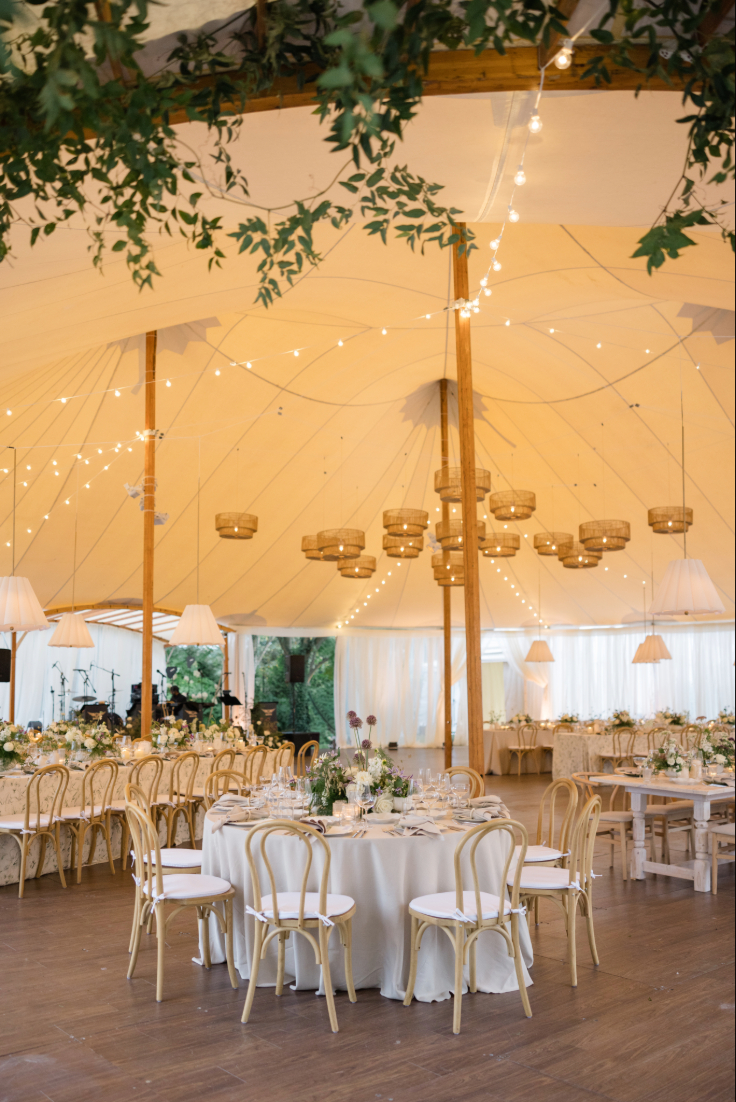
- Climate control inside the tent so guests aren’t sweating through dinner or shivering through the toasts
- Restrooms that are easy to find and don’t require a hike across a dark field
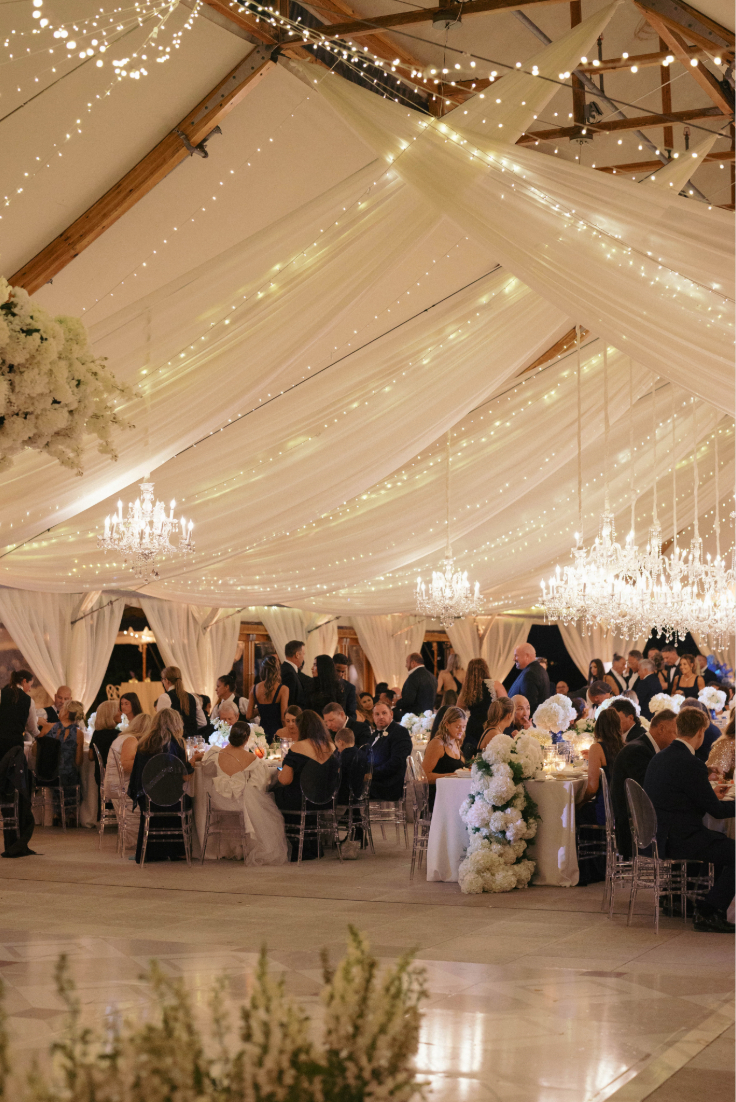
- A dance floor sized correctly for your guest count, so it never feels either empty or like a mosh pit
None of these show up in a mood board. All of them shape whether your wedding feels effortless or exhausting to attend.
Fun Has to Be Designed, Not Assumed
“I just want people to have fun” is something almost every couple says to me in a first conversation, and I love that instinct – but fun doesn’t happen by accident at a wedding for 150 people. It happens because someone thought through the music transitions, built in a moment or two of surprise, made sure there was always something happening so energy never had room to dip, and gave guests permission (through tone, through pacing, through vibe) to actually let loose.
This is the piece of planning that’s hardest to put into a Pinterest board, because it’s not a thing you can photograph – it’s a feeling. But it’s often the number one thing couples hear about from their guests afterward: “that was the most fun wedding I’ve ever been to.”
Why This Matters More at a Tented Wedding
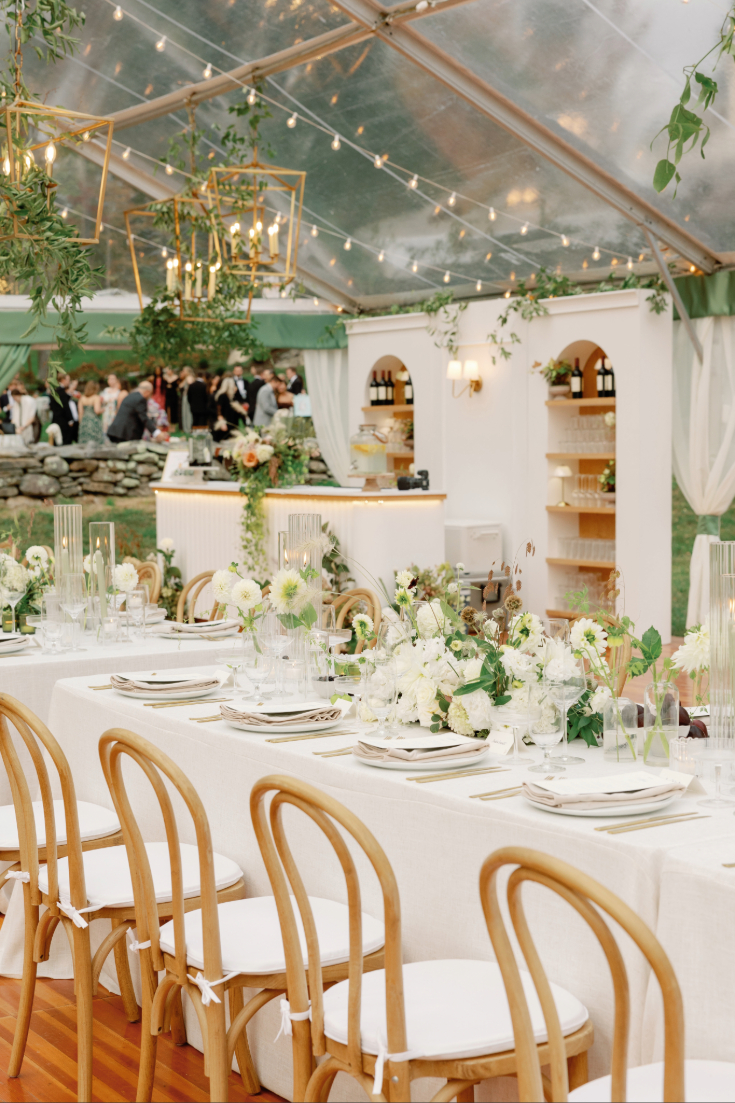
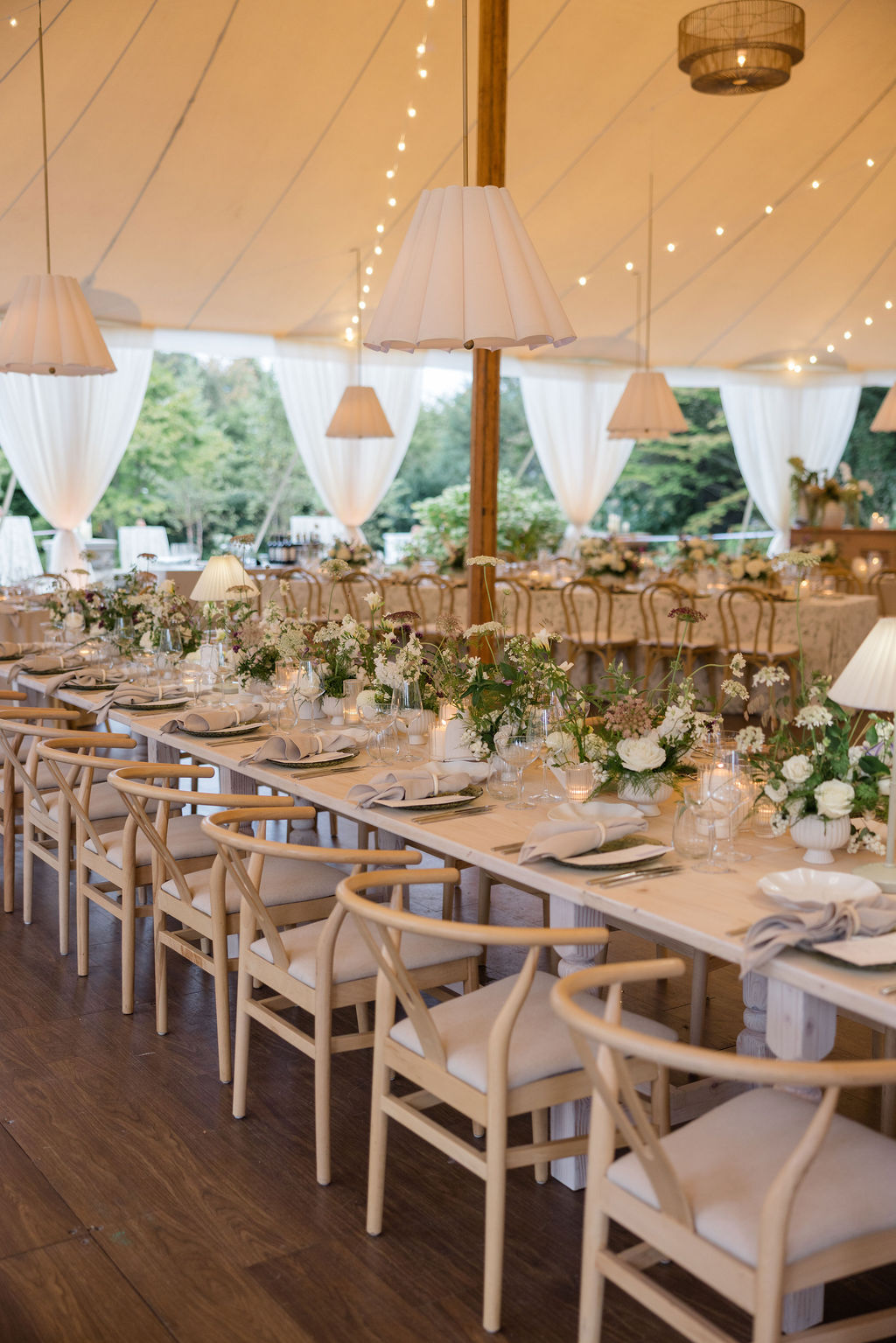
Tented and private property weddings raise the stakes on guest experience even further, because you’re not walking into a venue that already has flow built in. There’s no existing lobby, no obvious path from ceremony to cocktail hour, no infrastructure guests are already familiar with. Every single piece of that experience has to be intentionally built – which is exactly why this kind of planning is our specialty.
Done right, a private property or tented wedding gives guests something a traditional venue never could: a completely custom-built world, made just for your day, where every transition and detail was designed with them in mind.